
$275,000 Nursing Home Fall & Elder Neglect Settlement in Camarillo, California
May 2026
Attorney Alan Fassonaki and the team at Fassonaki Law Firm, P.C. secured a $275,000 settlement on behalf of the family of a skilled nursing facility resident who suffered serious injuries after a fall while under the care and supervision of a healthcare facility in Camarillo, California.
Facts of the Case
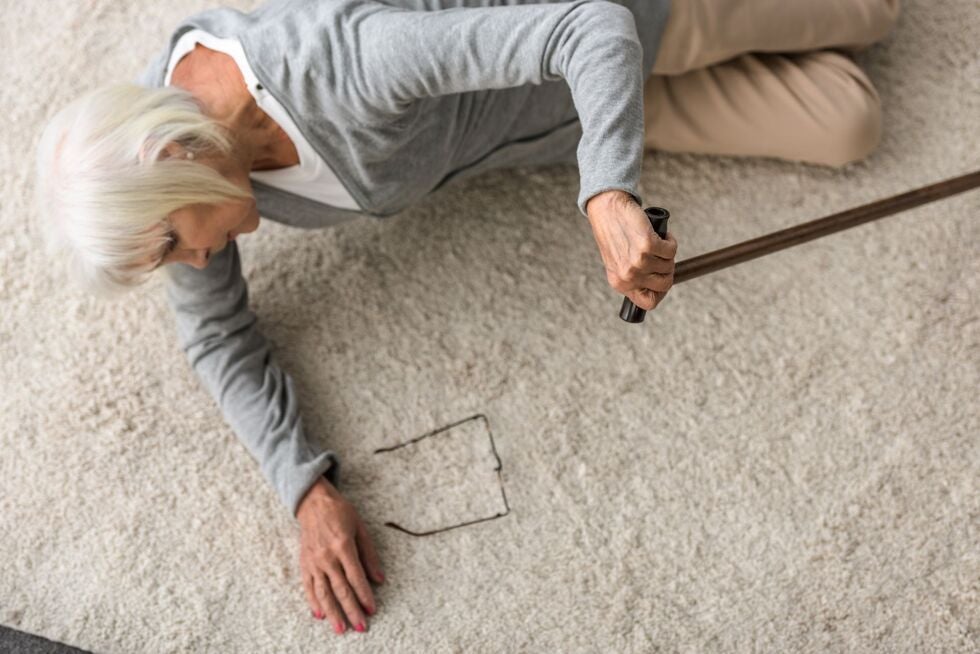
Our client's family member was a resident of a skilled nursing facility in Camarillo, California. While under the care and supervision of the facility, she suffered a fall despite allegedly being known to staff as a fall-risk resident.
The lawsuit alleged that the facility failed to provide the level of supervision, monitoring, and assistance necessary to protect her from a foreseeable fall. As a result of the incident, she sustained serious injuries, including multiple pelvic fractures, became bedridden, and experienced extreme pain and suffering.
The Complaint further alleged that following the fall, the facility failed to provide appropriate medical care, assistance, treatment, staffing, supervision, and safeguards.
The injured resident passed away in February, 2024. Her surviving family pursued the claims through a legally authorized representative.
Legal Strategy: Establishing Skilled Nursing Facility Negligence and Elder Neglect
Skilled nursing facilities have important responsibilities to protect residents who depend upon staff for supervision, medical care, mobility assistance, and other basic needs. When a facility knows that a resident is at risk of falling, appropriate precautions must be taken based on that resident's condition and care needs.
Our legal strategy focused on allegations that the skilled nursing facility knew of the resident's fall risk but failed to take adequate measures to protect her.
The First Amended Complaint alleged that the facility breached its duties by:
- Failing to properly supervise and monitor the resident despite knowledge of her fall risk.
- Failing to maintain sufficient numbers of trained and qualified employees.
- Failing to implement adequate policies and procedures for the resident's care and safety.
- Failing to provide appropriate medical care, assistance, and treatment.
- Failing to adequately protect the resident from health and safety hazards.
- Failing to provide for the resident's basic and medical needs.
- Failing to provide adequate supervision and assistance to prevent falls.
- Failing to properly document and communicate information concerning the resident's injuries.
Based on these allegations, the lawsuit asserted causes of action for medical malpractice, negligence, negligent hiring, supervision and retention, elder abuse and neglect, and violation of California Health & Safety Code § 1430.
California Health & Safety Code § 1430 provides a statutory mechanism for enforcing certain rights of residents of skilled nursing facilities. The lawsuit alleged violations of the resident's statutory rights, including failures relating to adequate supervision, fall prevention, and the proper documentation and communication of information concerning her injuries.
The elder abuse and neglect allegations were also significant. The Complaint alleged that the facility maintained an ongoing caretaking and custodial relationship with the resident but failed to adequately protect her from health and safety hazards and provide for her basic and medical needs.
By pursuing multiple theories of liability and examining not only the circumstances surrounding the fall but also the facility's staffing, supervision, policies, resident safeguards, and subsequent care, our legal team sought to hold the responsible parties accountable for the harm alleged in the lawsuit.
Settlement Terms
The case resolved for a total settlement of $275,000. The settlement resolved the bodily and personal injury claims asserted against the skilled nursing facility.
Results That Matter: Camarillo Nursing Home Fall and Elder Neglect Lawyers
Falls can have devastating consequences for elderly and medically vulnerable nursing home residents. Injuries such as pelvic and hip fractures can severely affect a resident's mobility, independence, and quality of life and may result in significant pain and the need for extensive medical care. Skilled nursing facilities are entrusted with caring for residents who may be unable to fully protect or care for themselves. When a facility knows that a resident presents a fall risk, appropriate supervision, assistance, staffing, and safety precautions can be critical.
Cases involving nursing home falls may extend beyond the actions of an individual staff member. They can require investigation into whether the facility had adequate staffing, properly trained its employees, implemented appropriate fall-prevention procedures, responded appropriately after an injury, and complied with the rights afforded to skilled nursing facility residents under California law.
If you or a loved one suffered serious injuries because of suspected nursing home negligence, elder neglect, inadequate supervision, or a preventable fall in California, the experienced attorneys at Fassonaki Law Firm, P.C. can investigate the circumstances, evaluate potential violations of California law, and pursue compensation from the responsible parties. Contact our office today for a free consultation.
Frequently Asked Questions About Nursing Home Falls and Elder Neglect in California
Can a nursing home be liable when a resident falls?
Yes, depending on the circumstances. A fall does not automatically establish negligence, but a skilled nursing facility may potentially be liable when it knew or should have known that a resident was at risk of falling and failed to provide appropriate supervision, assistance, or reasonable safeguards.
What should a nursing home do when a resident is considered a fall risk?
The appropriate measures depend on the resident's individual condition and care needs. Facilities should appropriately assess residents, develop and follow suitable care plans, provide necessary supervision and assistance, and take reasonable precautions to reduce known fall risks.
Can understaffing contribute to nursing home falls?
Potentially. Insufficient staffing may affect whether residents receive timely supervision, assistance with mobility, medical attention, and other necessary care. In a nursing home negligence case, staffing levels, employee qualifications, training, and supervision may therefore become important issues.
What is elder neglect under California law?
Elder neglect claims can involve failures by a person or facility responsible for an elder's care to adequately provide for needs such as medical care, protection from health and safety hazards, or other necessities. Whether conduct legally constitutes elder neglect depends on the particular facts and applicable California law.
What is California Health & Safety Code § 1430?
California Health & Safety Code § 1430 provides remedies relating to violations of certain rights afforded to residents of skilled nursing facilities. Depending on the circumstances, violations of a resident's statutory rights may provide an additional basis for legal action.
Can a family continue a claim after an injured nursing home resident passes away?
Certain claims may survive the death of an injured person and may be pursued by a legally authorized personal representative or successor in interest. The claims and damages available depend on the circumstances of the case and California law.
What evidence can be important in a nursing home fall case?
Evidence may include the resident's medical records, care plans, fall-risk assessments, incident reports, staffing records, employee training information, facility policies and procedures, witness testimony, and documentation concerning the facility's response after the fall.
Why should I hire an attorney after a serious nursing home fall?
Nursing home cases can involve complicated medical and legal issues and may require investigation into more than the fall itself. An experienced attorney can examine the resident's care, staffing and supervision, facility policies, medical records, and potential statutory violations to determine whether negligence or neglect contributed to the injuries.
Disclaimer: Past results do not guarantee future outcomes. Every case is unique and must be evaluated based on its specific facts, applicable law, and available insurance coverage.
Practice area(s): Elder Law, Personal Injury
